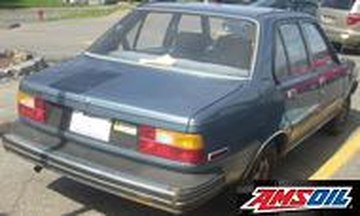
Lubrication Maintenance for the 1982 Renault 18I 1.6L
Maintaining the mechanical integrity of a vehicle like the 1982 Renault 18I 1.6L requires a disciplined approach to fluid management and regular component inspections. As vehicles age, the importance of high-quality lubrication and consistent monitoring of engine health becomes more pronounced. Proper care ensures that internal components continue to operate with minimal friction and that potential issues are identified before they escalate into significant mechanical repairs.
Monitoring Fluid Integrity and Condition
One of the most effective ways to monitor the health of the 1.6L engine is through regular observation of the lubricant itself. The condition of the oil can provide indirect clues about the internal environment of the engine. When performing routine checks, it is useful to observe the color and consistency of the fluid.
If the lubricant appears excessively dark or contains visible particulate matter, it may indicate that the oil has undergone significant thermal stress or that the filtration system is not effectively managing contaminants. Furthermore, any unusual odors or changes in the texture of the oil should be investigated. While many factors can influence the appearance of engine oil, consistent changes in its properties warrant a closer look at the vehicle's overall maintenance history and current operating conditions.
In addition to checking the lubricant level, inspecting the areas surrounding the engine for signs of seepage is a vital part of routine service. Even minor traces of fluid on the exterior of the engine block or near sealing surfaces can be an early indicator that gaskets or seals are beginning to age. Addressing these small observations promptly can help maintain a clean and efficient operating environment.
Systematic Inspection of Aging Components
For a vehicle from 1982, maintenance priorities often shift toward the condition of materials that are susceptible to time and temperature fluctuations. Rather than relying on fixed age-based replacement schedules, an effective strategy involves inspecting components based on their actual physical condition.
When conducting a visual inspection, focus on several key areas:
- Sealing Surfaces: Inspect various gaskets and seals for signs of weeping or residue that might suggest the beginning of a leak.
- Hoses and Connections: If equipped, examine any visible hoses for signs of hardening, cracking, or bulging. Flexible components can lose their elasticity over several decades, which may affect the integrity of the cooling or vacuum systems.
- Electrical Integrity: Check accessible wiring and electrical connectors for signs of corrosion or brittle insulation. Ensuring secure connections is essential for consistent engine performance.
- Drive Components: If the engine utilizes accessible belts, inspect them for glazing, fraying, or surface cracking. A belt that shows significant wear may require attention to prevent unexpected service interruptions.
By combining these visual checks with a review of any available service records, an owner can develop a clear understanding of which parts are nearing the end of their functional life and which remain in good condition.
Establishing a Maintenance Baseline
For many owners of older vehicles, the service history may be incomplete or undocumented. In these instances, the first step in effective long-term ownership is establishing a maintenance baseline. This involves performing a comprehensive inspection to determine the current state of all major service items.
Once a baseline is established, it becomes much easier to notice deviations from the norm. For example, if you know that the cooling system was recently flushed and all hoses were inspected, you can be more confident in the system's integrity. Conversely, if no records exist for the last several years, your priority should be to address any immediate concerns—such as active leaks or visible wear—and then begin a consistent log of all future services.
Keeping detailed records of fluid changes, filter replacements, and any observed mechanical changes is invaluable. This documentation not only assists in planning future maintenance but also provides a clear history of the vehicle's care, which is essential for informed decision-making regarding repairs and long-term preservation.
Interpreting Potential Warning Signs
Understanding how to interpret various symptoms can prevent minor issues from becoming major failures. It is important to remember that many symptoms are not exclusive to a single component; they can be associated with several different underlying causes. Therefore, an observation should be treated as a prompt for investigation rather than a definitive diagnosis.
For instance, if you notice an unusual mechanical noise during operation, it could stem from various sources within the engine or accessory drives. Similarly, changes in how the engine responds to throttle input or variations in exhaust appearance may indicate that something in the fuel, ignition, or lubrication system requires attention. An oil-related warning light on the dashboard is a critical signal that demands immediate investigation to ensure the engine is receiving adequate lubrication.
The goal of monitoring these signs is early detection. By staying attentive to how the 1982 Renault 18I 1.6L behaves during different driving conditions, you can move from reactive repairs to a more proactive and controlled maintenance approach.
Prioritizing Service Tasks
As a vehicle ages, it is easy to feel overwhelmed by the potential number of maintenance tasks required. The most efficient way to manage this is through logical prioritization. Rather than attempting to address every possible component at once, focus on the following hierarchy:
This structured approach ensures that resources are directed where they are most needed, maintaining the vehicle's reliability while managing the practicalities of ownership.
Practical Guidance for Buying Engine Oil for the 1982 Renault 18I 1.6L
When it is time to replenish the lubricant in your 1.6L engine, the most important step is to ensure that the product you select matches the specific requirements of your application. Because different engines have unique internal tolerances and operating characteristics, using an incorrect lubricant can affect performance.
To make an informed purchase, always refer to the vehicle-specific oil viscosity and application information provided on this webpage. This information is the primary guide for selecting a product that is appropriate for your specific Renault engine. When you are at the point of purchase, check the product labels carefully to verify that the SAE viscosity and any listed service classifications align with the data shown here.
Depending on your specific needs and the current condition of your engine, you may encounter various formulations. Some owners choose conventional oils, while others may consider synthetic blends or full synthetic options. Additionally, if an engine shows signs of aging, some high-mileage oil formulations contain additives intended for use in aging engines, including seal-conditioning additives. However, rather than making assumptions based on the age of the vehicle, always prioritize matching the lubricant to the application-specific information displayed above to ensure the best possible protection and compatibility.